
Workouts
Resistance Band Squat (2026): Form, Set-Ups and Load Math
Set-ups from loop to barbell, with load math for the bottom and top of the rep.
- 6 min read
- 7 sources
- Calculator
Index › Topic
Pull-ups and squats with bands, with calculators that show how much help or load a band adds at the bottom and top of each rep.
2 guides · Calculators for real lifts
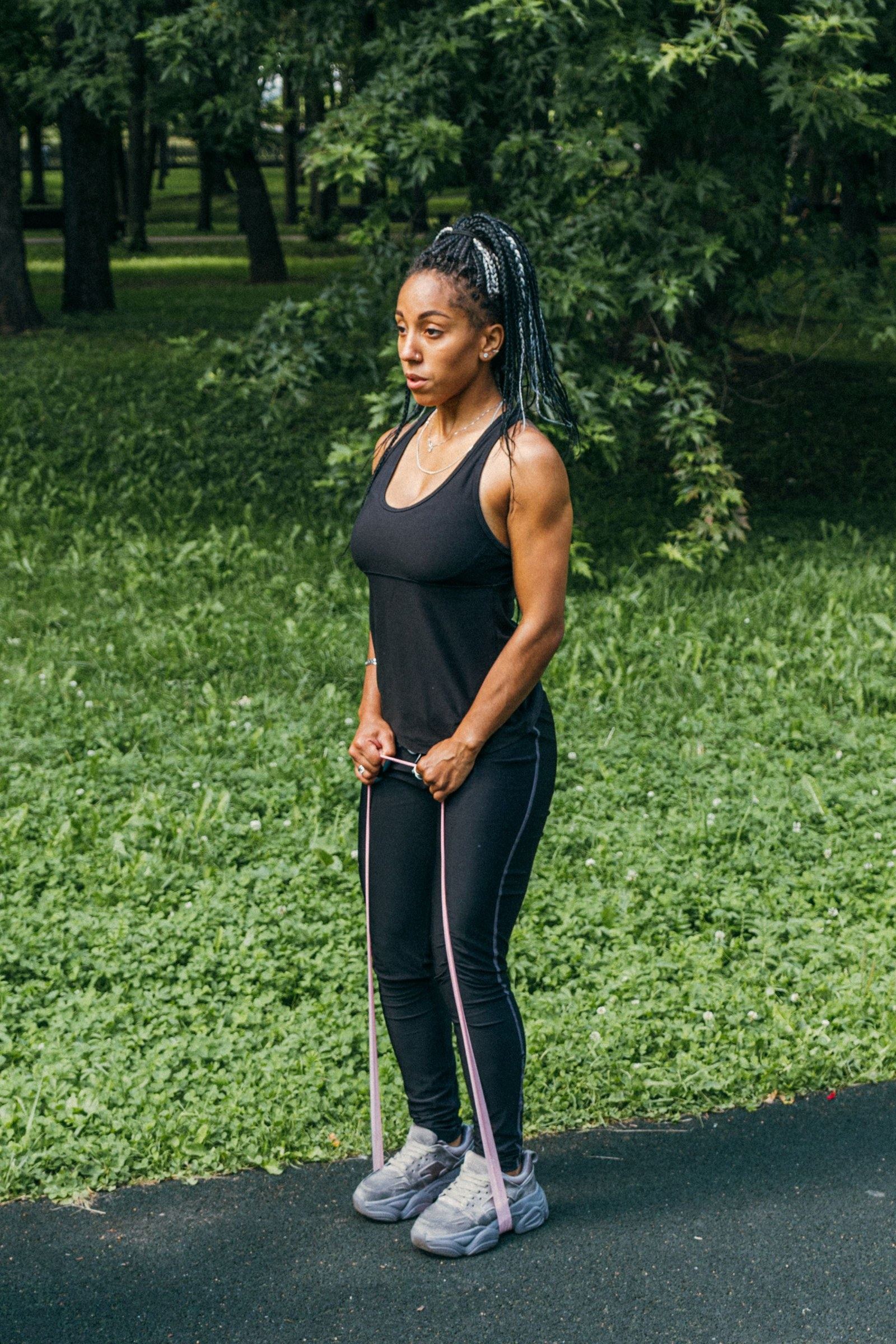
Quick answer
A band helps most at the bottom of a pull-up and least near the bar, and it adds the least load at the bottom of a squat and the most at lockout. Pick a pull-up band that lets you do about 5 to 8 clean reps, and a squat band that makes 8 to 15 reps a real effort.
Workouts
Set-ups from loop to barbell, with load math for the bottom and top of the rep.
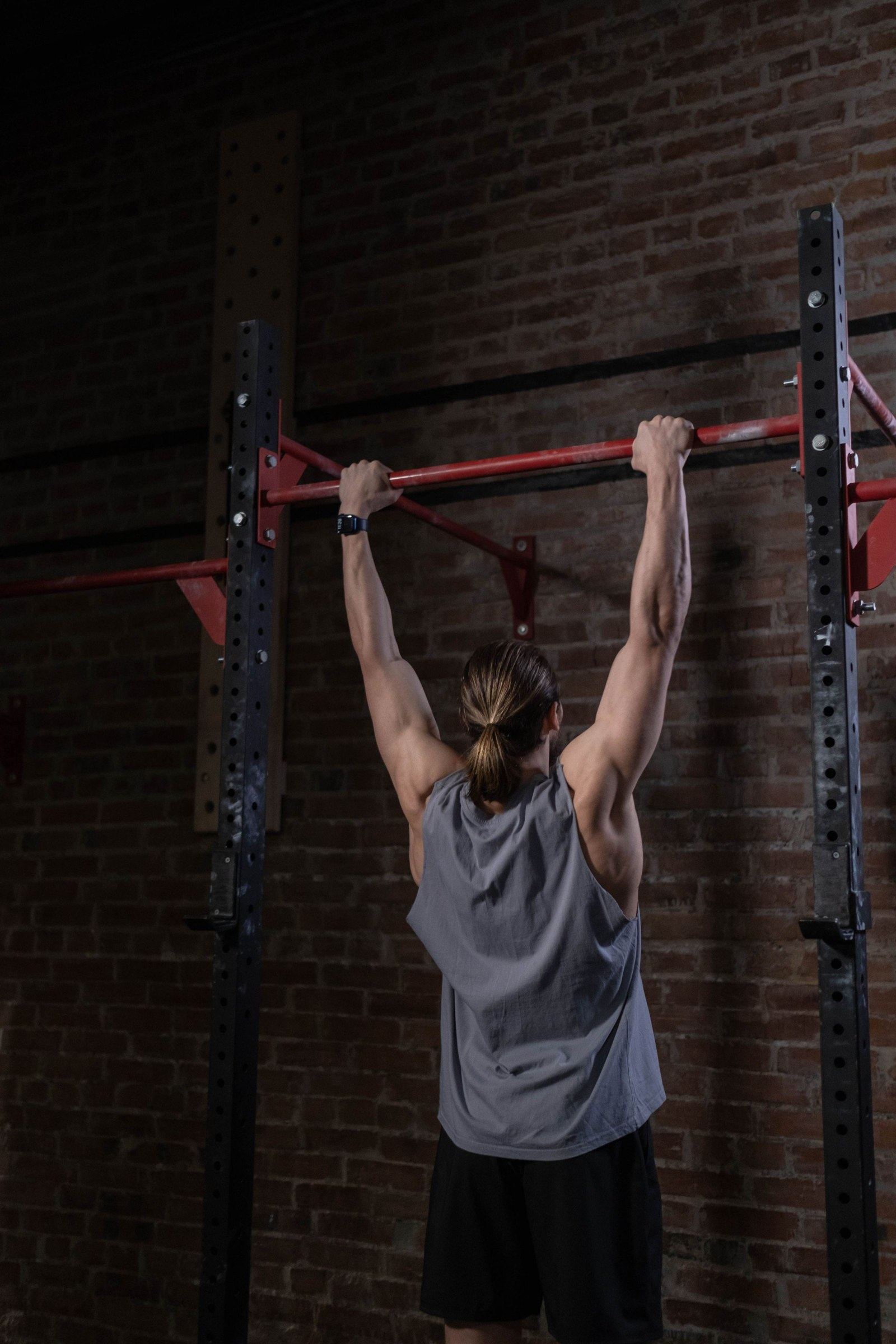
Workouts
An assistance calculator shows why band help fades near the bar, plus a progression plan.
A loop band pushes up hardest at a dead hang, where it is stretched most, and very little when your chin nears the bar. In a study of 33 people, the average went from 11.35 reps with no band to 17.61 reps with the band hung vertically (feet inside) and 28.03 reps with the band stretched horizontally (feet on top). The study counted reps, not band force.
Pick the lightest band that allows about 5 to 8 clean reps, step down when you can do 10 to 12 for every set, and finish each session with a few reps without a band.
A band adds the least load in the hole and the most at the top. With a heavy loop band on a bar, the bands can make up about 40% of the load at lockout. Trials disagree on whether that beats free weights alone: in one 10-week study of 32 women, squat strength rose 25% with bands added and 23% without them.
Both guides include a calculator that shows the load or help at the bottom and top of each rep for your own body weight and band.
Free chart
A one-page color-to-force chart plus a pull-up and squat load worksheet. We email it after you confirm, then short load notes now and then.
A color-to-force chart and a pull-up / squat load worksheet. We'll email it after you confirm, then weekly load notes.